


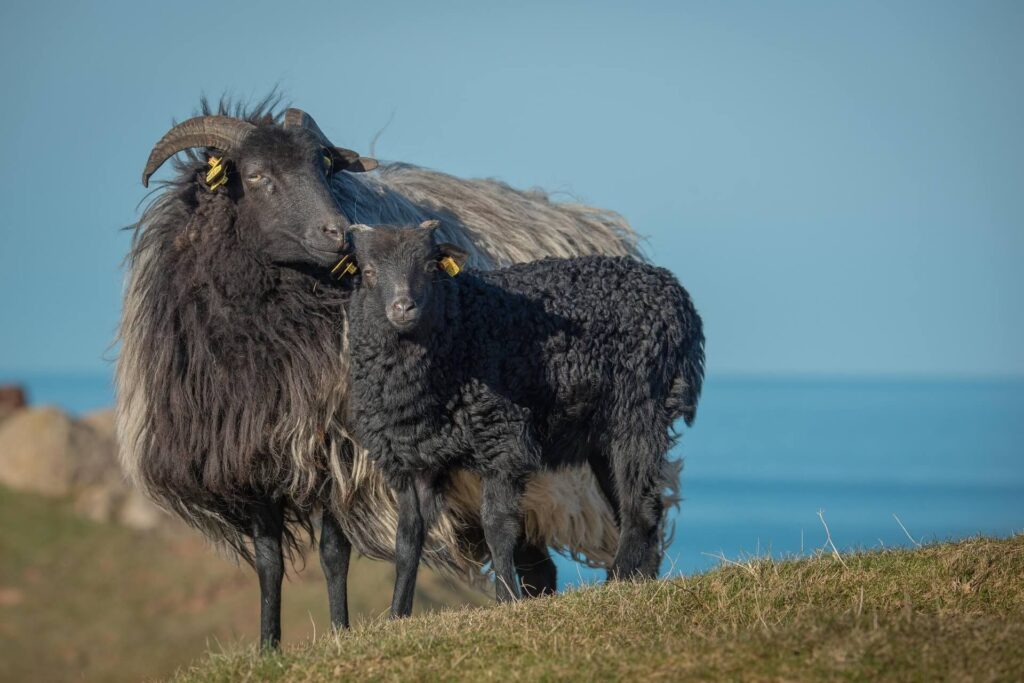
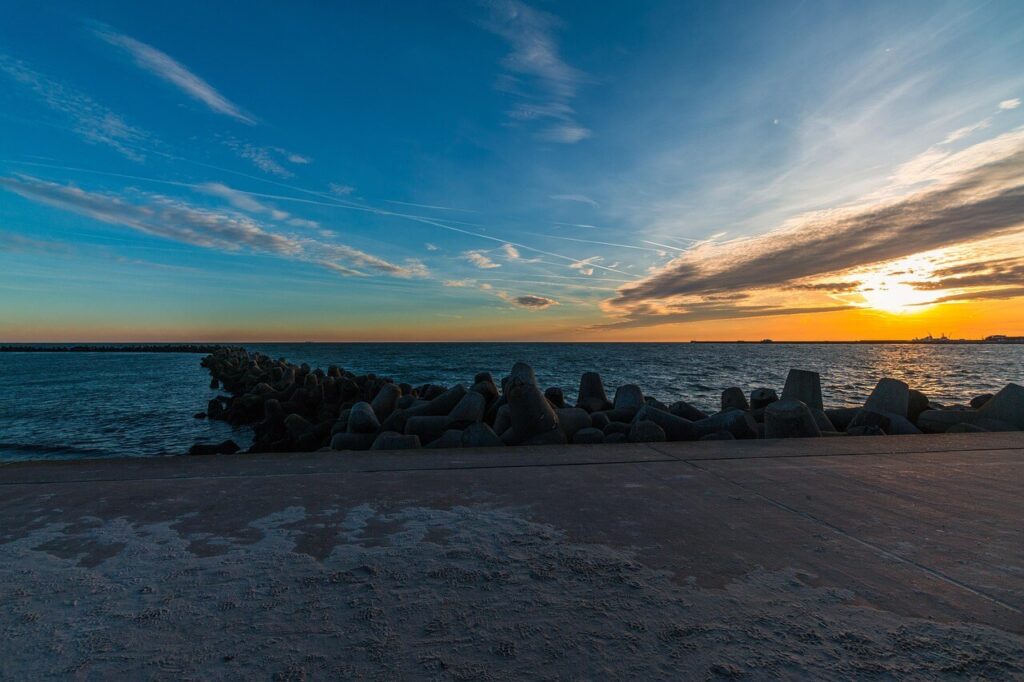
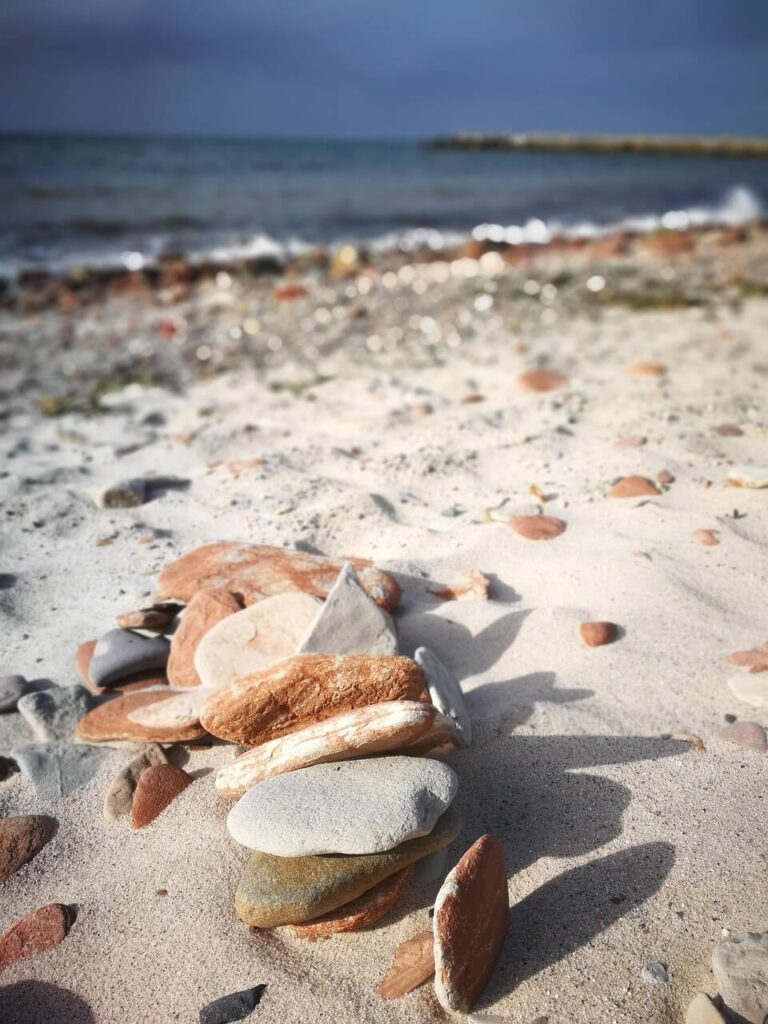
Heligoland is unique and inspires with its diverse nature, clear North Sea air and endless horizon. The island is the ideal place to recharge your batteries, find inspiration and develop new perspectives.
More distance from everyday life is not possible! Who wouldn't want some time for themselves? Heligoland is the perfect place for this: secluded deceleration with space and time for a radical focus on yourself.
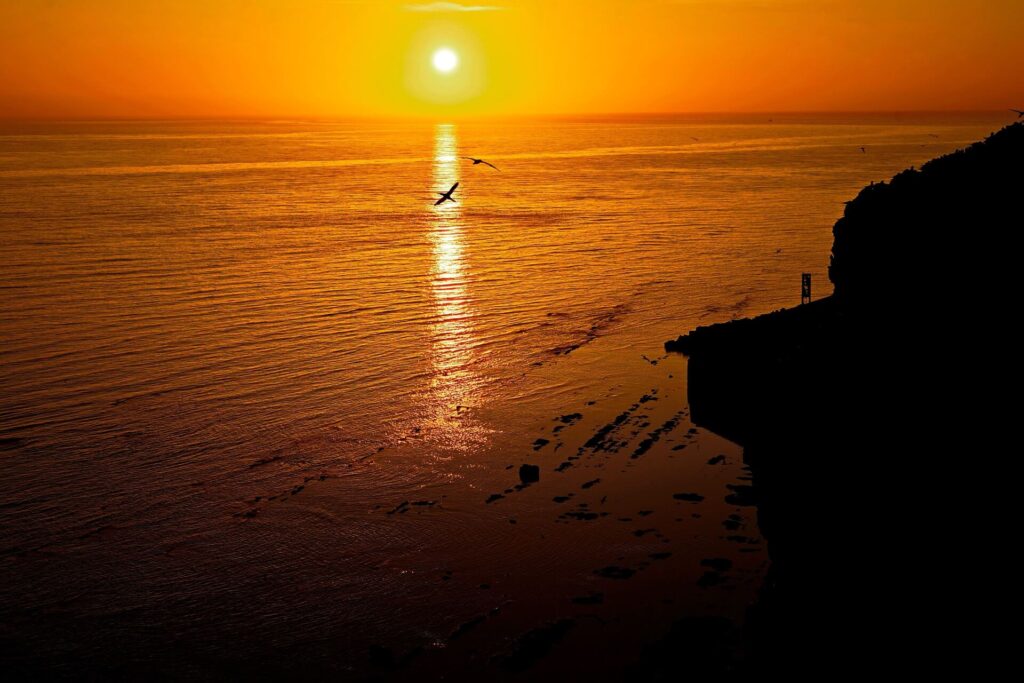
Along the red cliff, there is nothing but far-reaching views and the sea. If you don't change your mind here, where else would you?
Reflect on the essentials without distraction. Gain clarity with a focus on what really matters.
Anyone who has ever taken a deep breath in breezy North Sea wind feels how this climate gives them new energy.
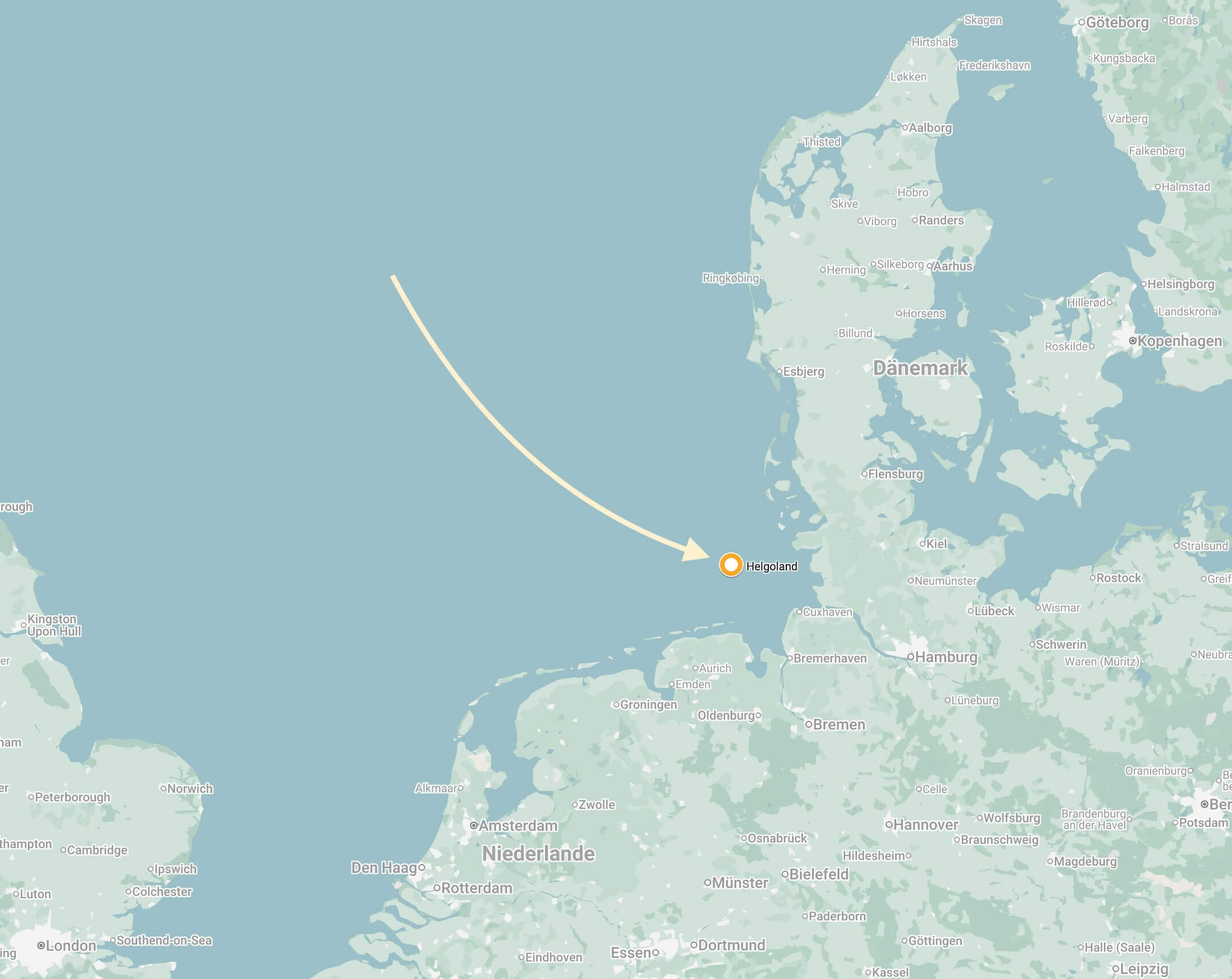
Heligoland is unique: car-free, characterized by red rocks and crystal-clear North Sea air. The island offers tranquillity, natural diversity and a special place to take a deep breath. Experience how personal development can work in this environment.
Heligoland awakens to new life in spring. Nature sprouts everywhere, seabirds breed on the Lummenfelsen and the sun shines a little longer every day. This energy makes it easy to leave old thought patterns behind and come up with new ideas. Let yourself be inspired to break new ground full of zest for action and confidence.
Come to an island retreat or bring your team to a designated workshop. I would be happy to tell you more.
I would be happy to create a concept for you that you can implement flexibly in your company. I look forward to every new challenge!
Yes, Heligoland is a vacation paradise, but the island can also be enjoyed away from the tourist crowds. Summer, sun, beach and sea - the perfect mix to feel light and carefree again. Together we'll make sure that you take some of it with you into your everyday life.
A North Sea storm is a natural spectacle in a class of its own. A walk across the Oberland is the perfect way to let go of what no longer serves you, reorganize your priorities and gain clarity for the next steps. A leisurely stop for a bite to eat afterwards makes an autumn day on the island perfect.
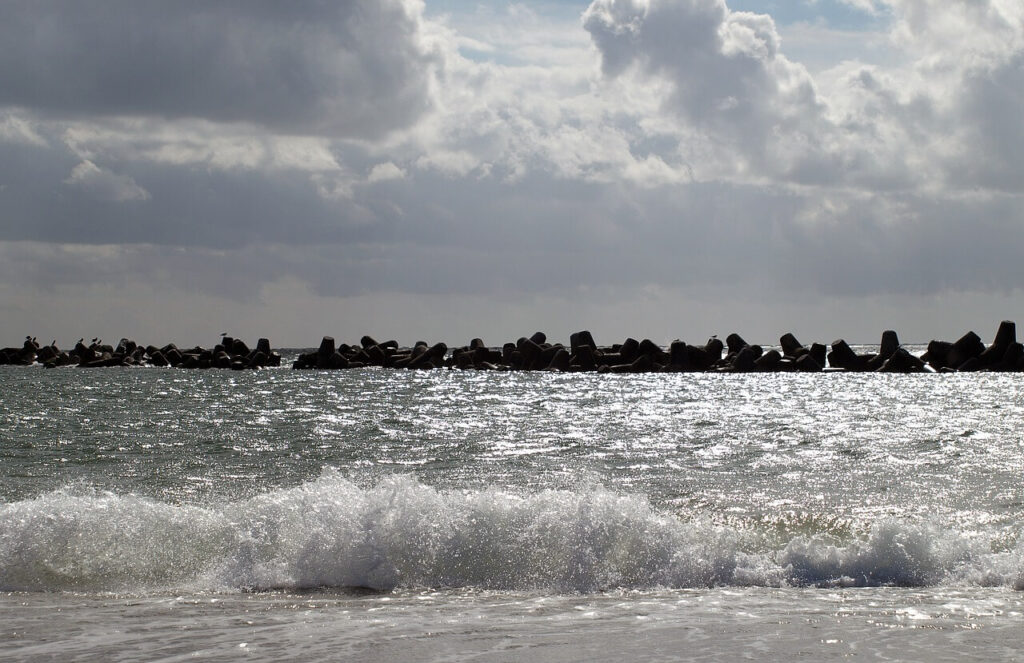
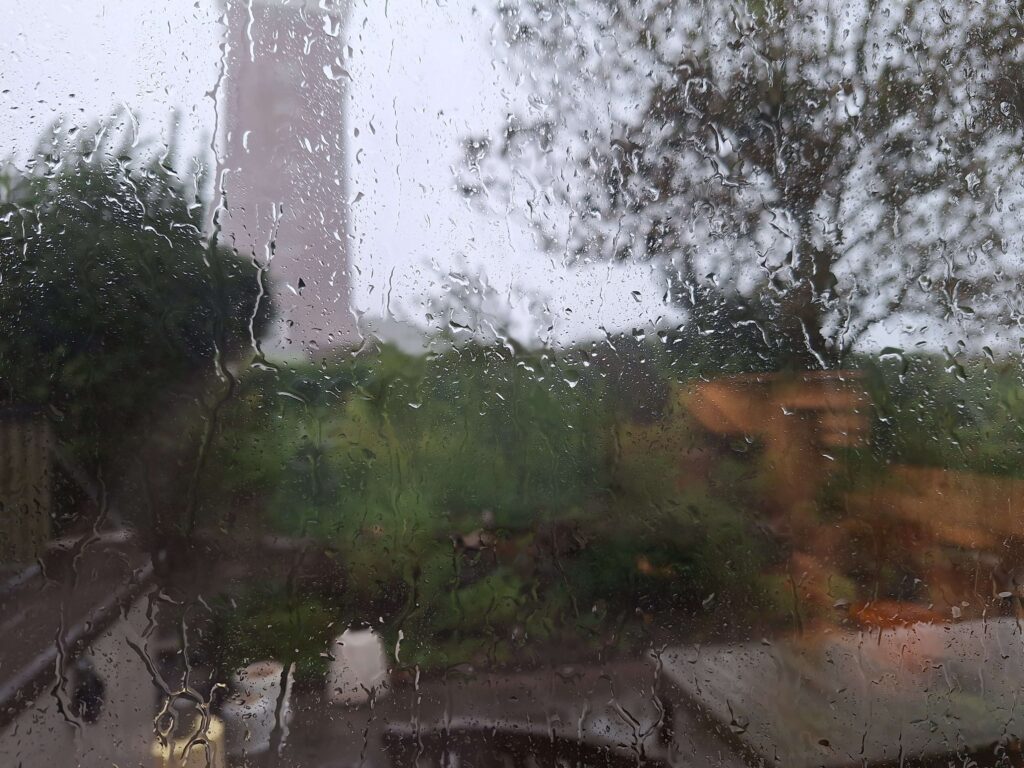
Here you can take a break from everyday life. Would you like to explore ideas and options in a conversation? Find out how reflection can work wonders.
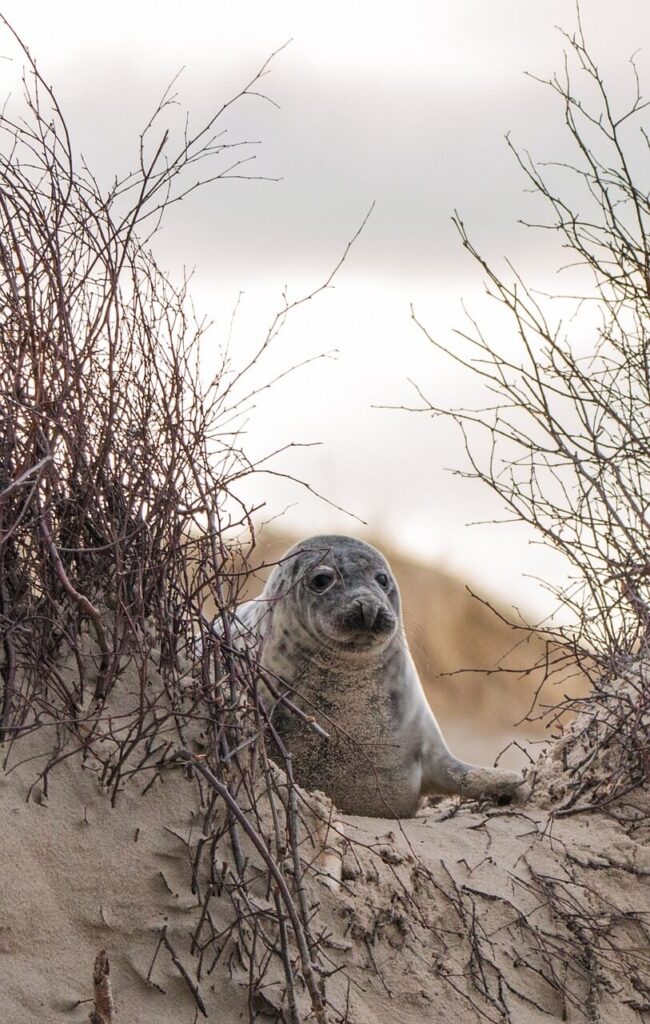
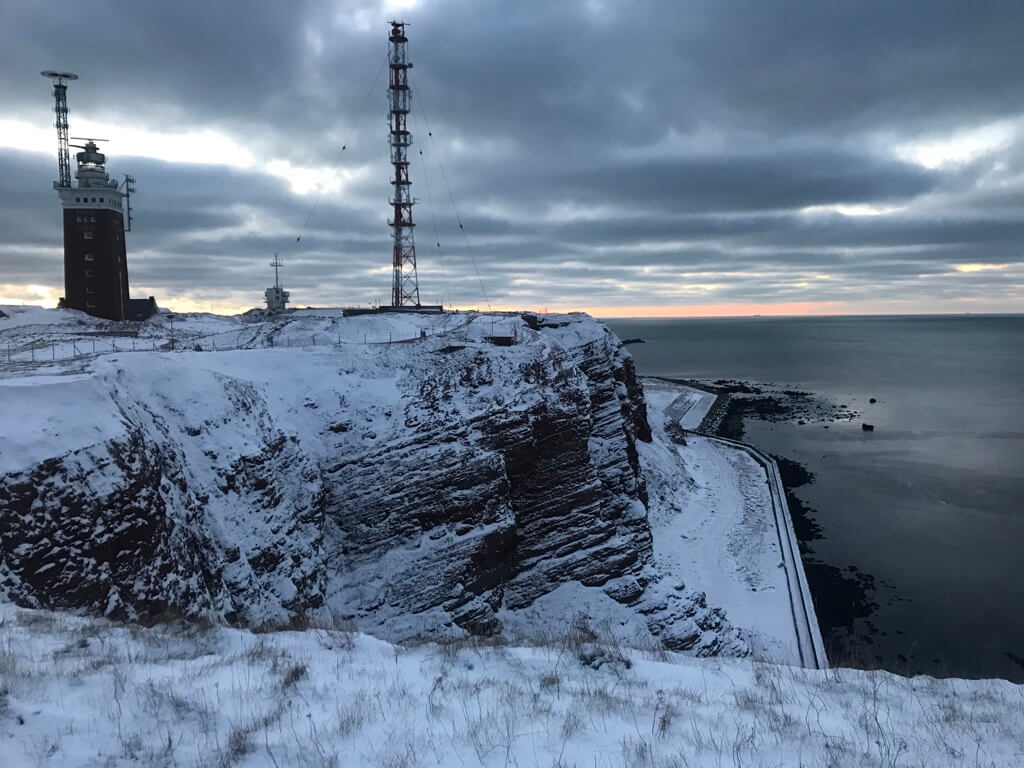
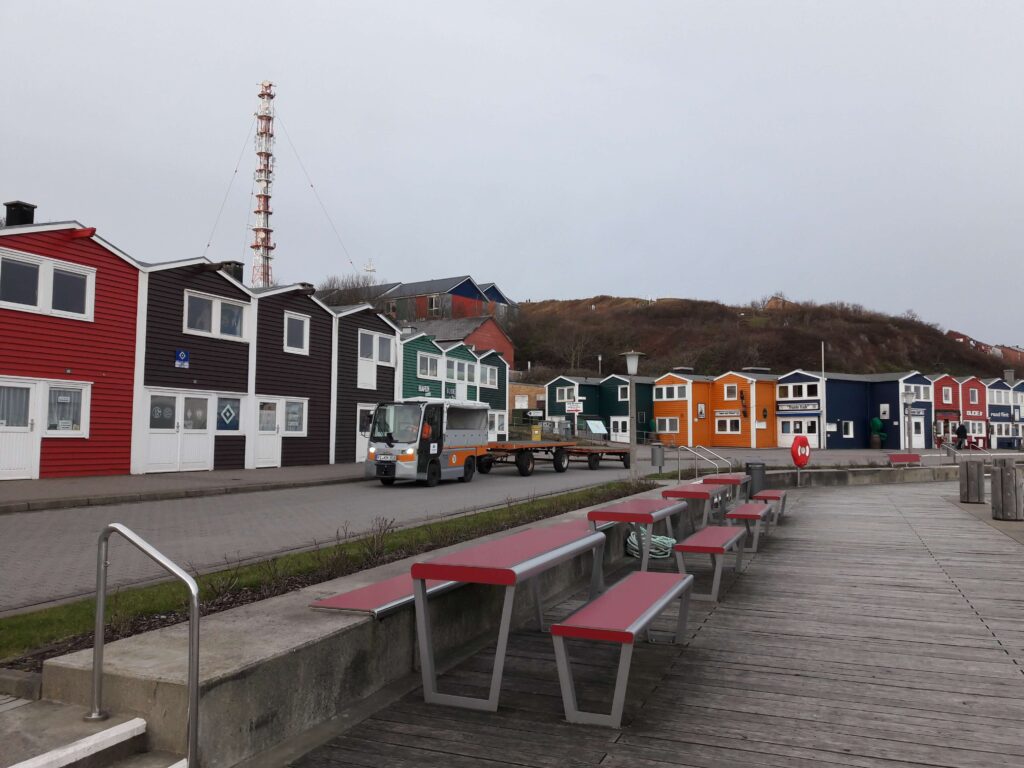
The island in winter offers peace and tranquillity. I would be happy to explain how we can customize your team time.
Not only are hundreds of grey seals born on our beaches in winter. It is also the time of year when Heligoland shows its quietest side. The tranquillity of the island gives you the opportunity to listen deeply to yourself and rediscover your inner strengths. Away from the hustle and bustle of everyday life and far from any distractions, a protected setting is created to start the new year with energy.
A break on Heligoland means much more than fresh North Sea air and relaxation - the island offers a unique interplay of nature, history, culture and science. Whether enjoying culinary specialties such as Heligoland lobster, exploring history in WWII bunkers, slowing down in the clear, pollen-free air or immersing yourself in art, language and tradition - Heligoland inspires and enriches in many ways.
Topics such as sustainability, climate research, modern technology and the island's role in Germany's energy transition also make Heligoland an exciting place to experience. This diversity not only opens up new perspectives, but is also an excellent source of inspiration for team breaks: Each of the topics can be used as a focal point to provide food for thought, create shared experiences and stimulate lasting conversations.
This turns an island break into an experience that combines nature, knowledge and inspiration - and creates lasting added value.
Heligoland is not only a place to take a deep breath and slow down - the island also spoils the palate with very special specialties. Famous is the freshly caught Heligoland lobster, whose tender meat is considered a true delicacy and is artfully prepared in many restaurants. If you prefer something more rustic, you should definitely try Knieper - the strong claws of the crab, which are traditionally served with homemade dips and promise a convivial dining experience.
To warm up after a walk in the fresh North Sea air, we recommend an Eiergrog: creamy, sweet and with a shot of rum - a classic that warms both body and soul. In addition to these typical specialties, Heligoland offers a variety of freshly caught fish, regional dishes and sweet island delicacies that will make you want to try something new and discover the taste of the North Sea.
Whether in a cozy harbor pub, a fine restaurant or a café with a view of the dune - the island's culinary diversity makes your stay an experience for all the senses.
Heligoland has an eventful past that is still reflected everywhere on the island today. Hardly any other place in the North Sea has been at the center of history so often: sometimes Danish, sometimes British, sometimes German. The period of the Second World War is particularly striking, when the island was used for military purposes and heavily destroyed.
The extensive bunker complexes, which guests can visit as part of an exciting and unforgettable tour, still bear witness to this today. History becomes tangible here when eyewitness accounts and impressive backdrops tell of the dramatic events of those years.
But Heligoland is also a symbol of a new beginning: after the war, the island was rebuilt and developed from a restricted military area into a popular island destination. Visitors to Heligoland are immersed in a living history book - a place where past and present merge in a unique way.
Heligoland is a place of strength for body and soul. The salty, low-pollen air acts like a natural cure and provides noticeable relaxation after just a few days. Walks by the North Sea, the fresh breeze and the unique offshore climate strengthen the respiratory tract, activate the circulation and promote well-being.
In addition to the natural benefits, the island offers a wide range of wellness and health services for exercise and balance. For energy work, yoga or relaxation massages, I cooperate with local qualified specialists.
Whether swimming in the clear sea, enjoying a sauna with the view of the dune or enjoying a guided mindfulness session - Heligoland invites you to let go, recharge your batteries and rediscover your own rhythm.
Art and culture lend the island a depth that enriches the stay far beyond the experience of nature, as Heligoland has always been a place of inspiration. Poets such as Goethe and Hoffmann von Fallersleben found their muse here, as did Werner Heisenberg, who developed his groundbreaking ideas on quantum mechanics on the island. Painters such as Emil Nolde were also inspired by the light, colors and unique natural backdrop of Heligoland. And with James Krüss, the island even produced a well-known writer whose works are still read and appreciated today.
But Heligoland has even more culture of its own: Heligolandic (Halunder) is a language of its own and is still spoken and passed on by some residents today. There are also traditional festivals and customs that give a unique insight into island life. For example, the colorful traditional Heligoland costumes are a special symbol of the islanders' attachment to their history.
A central point of interest is the Heligoland Museum, which sheds light on the island's multifaceted history as well as its cultural development. The offer is complemented by changing exhibitions, concerts and events that keep art and culture alive.
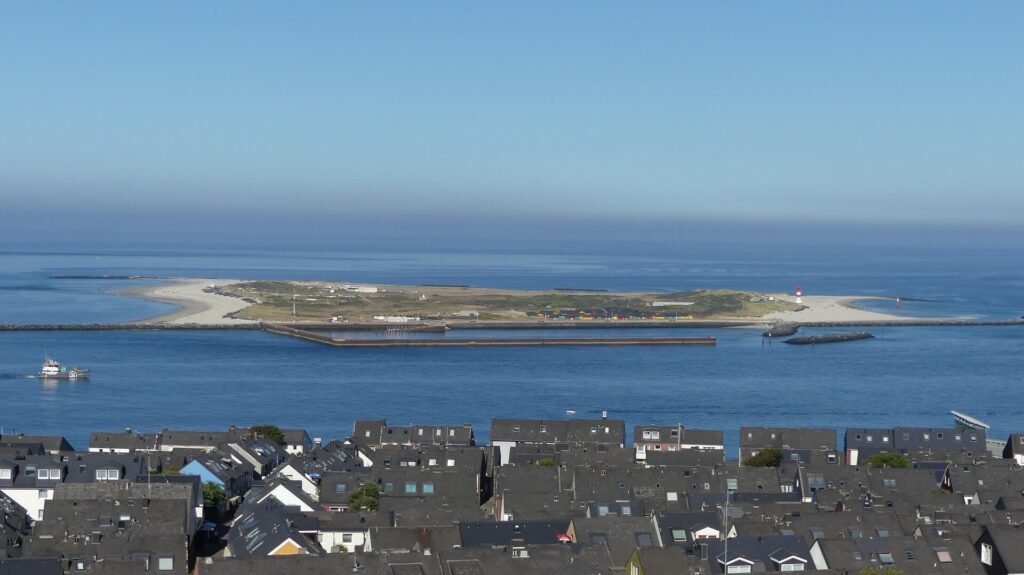
Whether flora or fauna, Heligoland is a small-scale natural paradise - and yet of great importance. The Helgoländer Felswatt with its underwater world is part of the Helgoländer Felssockel nature reserve and is the only habitat of its kind in Germany. The nursery of the grey seal, Germany's largest native predator, is also impressive: every winter, visitors can witness the birth of the pups on the dune up close.
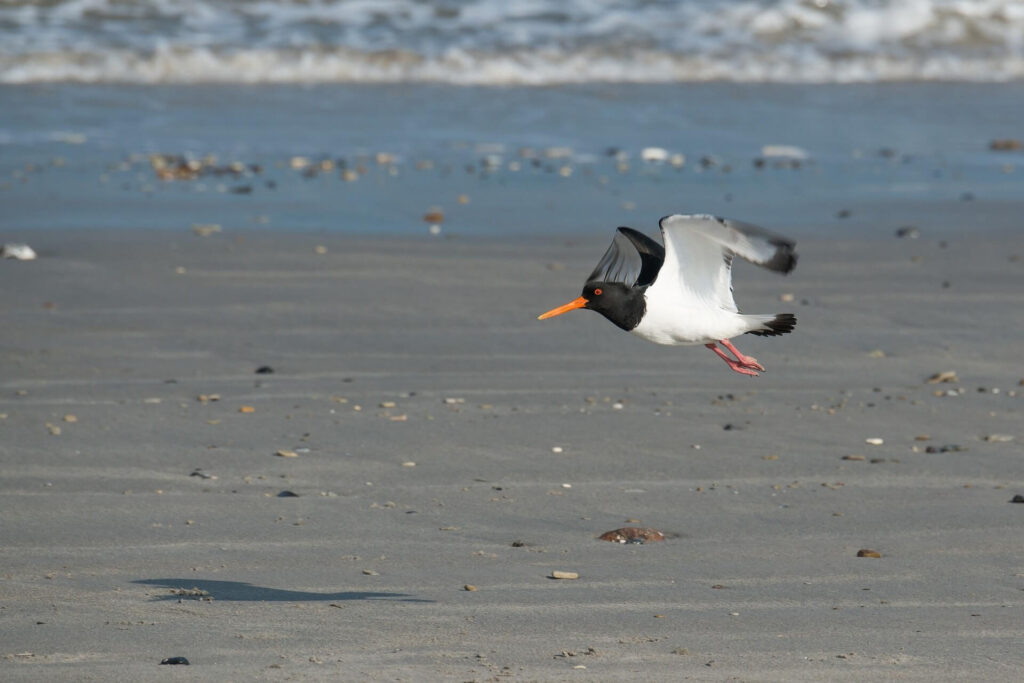
Heligoland is also a highlight for bird lovers: the Heligoland Ornithological Station is considered one of the most important research stations for bird migration in Europe. Seabirds nest on the rocks and countless migratory birds stop off on the island. This makes Heligoland not only a highlight for nature lovers, but also an important area for the protection of biodiversity.
The island shows how closely nature and sustainability belong together. Conservation measures, gentle tourism and conscious interaction ensure that these treasures are preserved. Visitors to Heligoland experience a pristine landscape, fascinating wildlife and a living example of how nature conservation is actively practiced.
Heligoland is a living example of how nature conservation and progress can go hand in hand, as the island is also a place of research and innovation. The Alfred Wegener Institute (AWI) operates an important research station here, which has been working on marine biology, climate change and long-term data series for decades. For example, the lobster breeding station sustainably strengthens the legendary Helgoland lobster and its stocks.
Marine research is complemented by the traditional Helgoland Ornithological Station, which provides important insights into bird migration through precise data collection. Pioneering technical achievements also take place here: With a modern seawater desalination system, the island provides its own drinking water supply.
Heligoland also plays a key role in Germany's energy transition: Large offshore wind farms in the North Sea, which supply green electricity for millions of people, are managed from here. And last but not least, the island is a place steeped in scientific history - Werner Heisenberg developed the foundations of his quantum mechanics here. Heligoland thus combines tradition, cutting-edge research and future technology in the smallest of spaces.
If you still have questions after reading the FAQ, I will be happy to answer them. Just contact me - I look forward to hearing from you.